Google has quietly rolled out one of its most important security upgrades in years. The company has launched Theft Protection for Android devices and introduced AI-driven email protection inside Gmail, changing how personal data, business communication, and online accounts are protected.
These updates go far beyond typical software patches. They represent a shift toward real-time AI-based cyber defence, where systems automatically respond to suspicious activity instead of waiting for users to react.
For businesses, marketers, and digital platforms, this signals something bigger: security is becoming an SEO, trust, and conversion factor.
What is Google’s Theft Protection System?
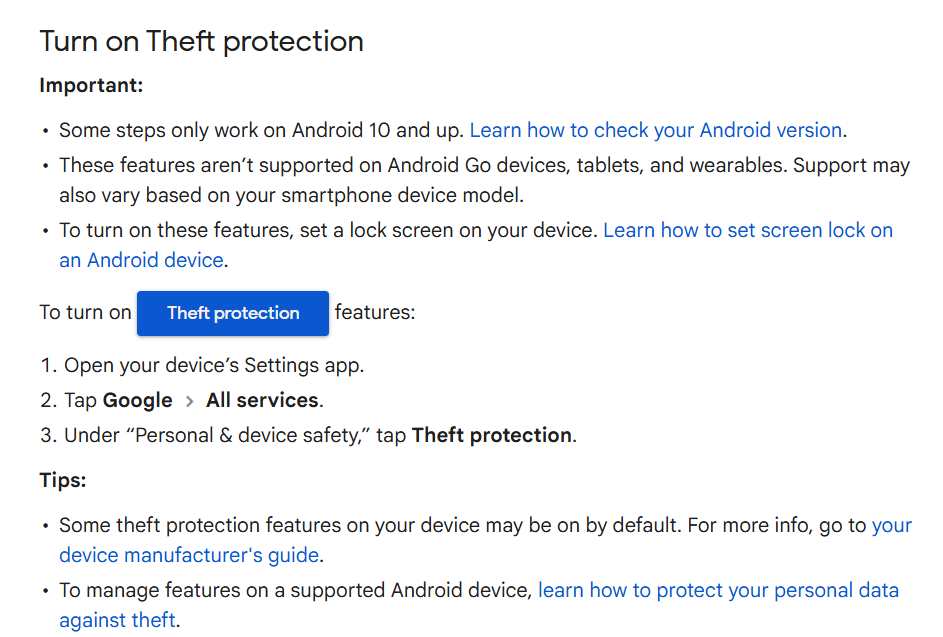
Google’s new Theft Protection is designed to protect smartphones when they are physically stolen or forcefully taken from a user.
Once enabled, Android devices can now:
- Automatically locks when sudden motion is detected, indicating theft
- Lock the device if it goes offline after being stolen
- Prevent access to sensitive data even if SIM cards are removed
- Block biometric changes and factory resets without authentication
This means stolen phones can no longer be easily wiped and resold, which drastically reduces identity theft, banking fraud, and data leakage.
From a business standpoint, this is critical. Millions of consumers access:
- Ad accounts
- Payment apps
- Analytics dashboards
- CRM tools
from mobile devices. Protecting those devices protects the entire digital economy.
Gmail Now Uses AI to Detect Smarter Attacks
Google has also enhanced Gmail with AI-powered security scanning. These systems now analyze:
- Writing patterns
- Sender behavior
- Link structure
- Metadata and context
This allows Gmail to detect phishing, impersonation, and fraud even when attackers use brand-new domains or human-written messages.
This matters because most business breaches today begin with email.
A single fake invoice or password reset email can lead to:
- Ad account hijacking
- Website defacement
- Data theft
- SEO sabotage
With AI filtering in place, these threats are now blocked before they ever reach the inbox.
Why This Impacts SEO, Ads, and Marketing
Google has made it clear that user safety is now a ranking and trust signal.
When users feel safer:
- They click more
- They convert more
- They stay longer on websites
- They trust brands more
From Google’s perspective, secure users create a healthier ad ecosystem and a more reliable search experience.
This means brands that:
- Use verified domains
- Follow security best practices
- Protect user data
will perform better in organic rankings, paid ads, and AI-generated search results.
What Businesses Should Do Now
If Google is building AI-level security, websites and advertisers must match that standard.
Brands should now:
- Enable two-factor authentication across all platforms
- Protect ad accounts, emails, and admin panels
- Use HTTPS, secure hosting, and updated CMS software
- Monitor login activity and suspicious behavior
Search engines increasingly view security as part of quality.
 Summary