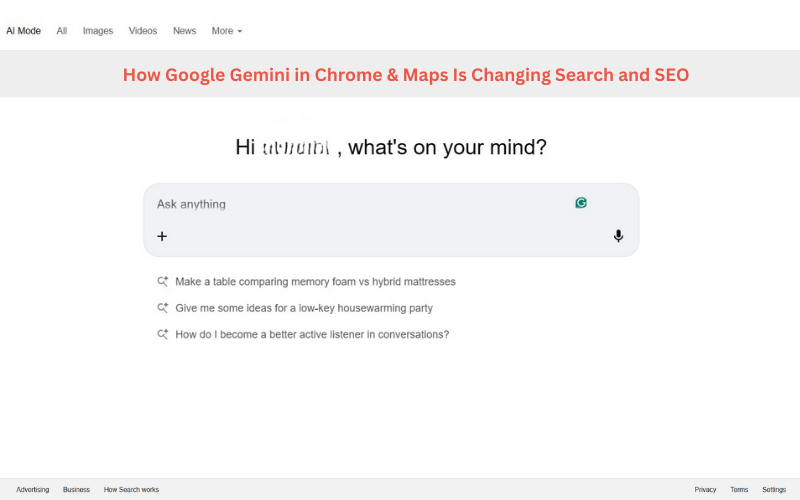
Artificial Intelligence continues to reshape how people interact with digital products. Google has just announced two major enhancements powered by its Gemini AI model:
-
Auto Browse in Google Chrome, and
-
Gemini-powered Navigation for walking and biking on Google Maps.
These updates not only signal a shift in user expectations for smarter digital experiences but also open new opportunities for digital marketers and SEO professionals to adapt content strategies to evolving user behaviour.
In this post, we’ll break down what these features mean, how they work, and how you can use them to improve your site engagement and visibility on search engines.
1. What Is Google’s New Auto Browse Feature in Chrome?
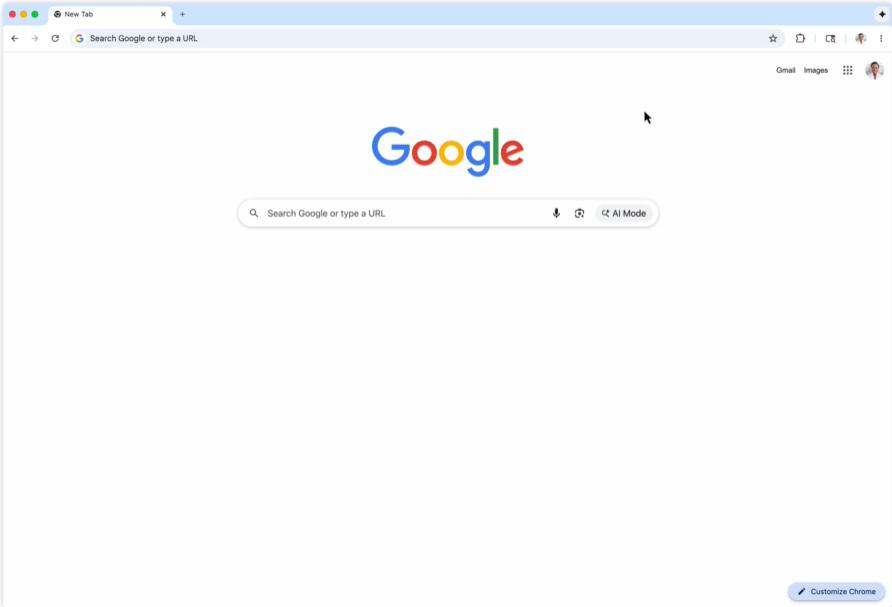
Google recently introduced a major AI upgrade within Chrome powered by Gemini 3, its most advanced AI model. This upgrade includes a built-in AI assistant, accessible via a new side panel, that can help users perform complex web tasks more efficiently.
Auto Browse Explained
“Auto Browse” is an AI-powered capability that can:
- Complete multi-step tasks on behalf of users
- Research products, compare options, and apply discounts
- Fill forms, book reservations, and help plan travel itineraries
- Navigate websites automatically with user permission
For example, users can upload a photo and ask Chrome to find similar products online within budget and even add them to the cart, all with minimal manual search.
Why It Matters
This shift makes the browser itself a proactive assistant, turning browsing into an AI-powered experience rather than a passive search. For marketers focused on search intent, this highlights that:
- Users increasingly expect task-oriented results
- Visibility must extend beyond traditional queries to include actionable paths around tasks
- SEO must consider complex query flows where users want steps completed, not just answers
2. Gemini in Google Maps: Smarter Walking & Cycling Navigation
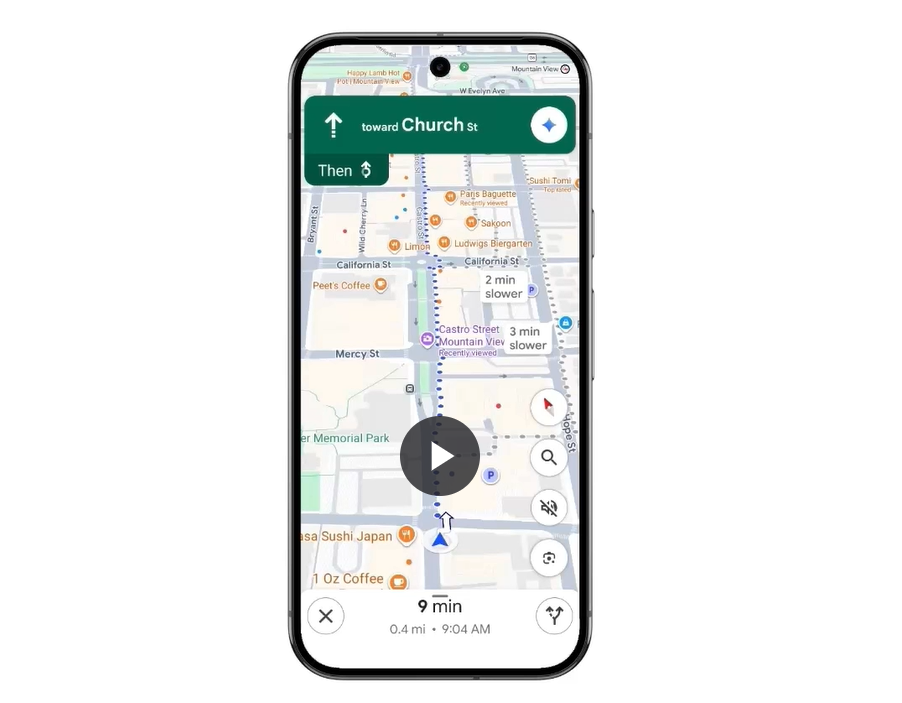
Not just for cars anymore, Google Maps now integrates Gemini AI fully into pedestrian and bicycle navigation.
What’s New in Maps
With Gemini’s AI:
- Users can ask questions while walking or biking- e.g., “What neighborhood am I in?”
- Ask follow-up questions like “Best coffee shops nearby?”
- Get real-time contextual recommendations based on route and local data
This feature makes Maps more of an interactive local guide, not just a navigation tool.
Implications for Businesses
For local SEO and online visibility:
- Businesses could show up within contextual AI responses when users ask about nearby amenities
- Google Maps listings may be prioritized not just for driving directions, but also for discovery queries
- Content should be optimized for natural language, long-tail queries like “best cafe near me walking route”
3. Key SEO & Marketing Takeaways
Here’s how you can leverage these innovations on your site and content strategy:
Shift Toward Task-Centric Content
Instead of only targeting informational keywords (e.g., “buy running shoes”), think about task stages:
- “Compare the best running shoes under $100”
- “Add the best running shoes under budget to the cart”
These reflect how tools like Auto Browse may interpret user intent and behaviors.
Optimize for Natural Language & Conversational Queries
AI-powered assistants expect content that answers specific long-form questions:
Examples:
- “What’s the safest bike route in downtown Vancouver?”
- “Planning a walking tour in Toronto, best coffee stops?”
This aligns with the way AI models process content and directly influences how your content appears in AI-generated SERP overviews.
Local SEO Gets Even More Important
With Gemini guiding users while walking and biking:
- Local business profiles need complete, accurate Google Business information
- Reviews, FAQs, descriptions, and service highlights now fuel AI recommendations
- “Near me” queries will expand into exploratory, context-aware dialogue
Focus on Structured Data & Entities
To be AI-friendly:
- Use rich schema markup for key services
- Implement FAQ structured data
- Use location, contact info, and event markup wherever relevant
These help AI understand your site’s content and match it to real-world query contexts.
4. Final Thoughts
Google’s Gemini AI features, in Chrome and Maps, show a clear direction: users want less friction and more proactive intelligence in search and navigation.
For SEO professionals and digital marketers, that means:
- Enhancing content for guided experiences
- Optimizing web pages for task-completion scenarios
- Aligning local content with discovery prompts
The future of search is becoming less about keywords and more about intent-driven, context-aware journeys.
Make sure your content is ready for it.
 Summary