SEO Optimization- Quick Definition
SEO optimization is the process of improving a website’s visibility in search engines by enhancing technical performance, optimizing content for relevant keywords, and building authority through backlinks to increase organic rankings.
For businesses, SEO is one of the most effective long-term digital marketing strategies because it drives qualified traffic without paying for every click. In this guide, we will explain how SEO works, its types, the 4 pillars of SEO, and how companies use it to grow online.
Why SEO Optimization Matters for Businesses?
Unlike general definitions of SEO that focus only on rankings, SEO optimization for businesses is about revenue growth, lead generation, and long-term digital authority.
For companies, SEO is not just about appearing on Google- it’s about being visible when potential customers are actively searching for products or services. When a business ranks for high-intent keywords such as “SEO company in Canada” or “digital marketing agency near me,” it captures demand at the exact moment prospects are ready to take action.
1. SEO Drives High-Intent Traffic
Organic search traffic is often more qualified than social or display traffic because users are actively searching for a solution. This means better conversion potential and lower customer acquisition costs over time.
2. SEO Compounds Over Time
Unlike paid advertising, which stops generating traffic when the budget ends, SEO builds momentum. As authority increases, rankings improve across multiple keywords, creating a compounding effect on traffic.
3. SEO Builds Trust and Credibility
Users tend to trust organic results more than paid ads. Consistently appearing in search results positions a business as an authority in its industry.
4. SEO Improves the Entire Website
Effective SEO requires improving technical performance, user experience, content clarity, and site structure. These improvements enhance not only search rankings but also conversion rates and overall customer experience.
5. SEO Supports Long-Term Growth Strategy
For businesses operating in competitive markets, SEO provides sustainable visibility. It reduces reliance on paid channels and creates a predictable inbound traffic pipeline.
Business-Focused Insight
Many SEO experts explain what SEO is – but for businesses, the real question is:
How does SEO impact revenue?
SEO optimization influences:
- Lead generation volume
- Cost per acquisition
- Brand authority
- Market share in local search
- Customer lifetime value
When implemented strategically, SEO becomes a growth engine rather than just a marketing tactic.
Example: How SEO Impacts a Service-Based Business
Imagine a local service company receiving 2,000 monthly searches for its core service in its region. If it ranks on page one and captures even 10% of that demand, that’s 200 highly targeted visitors per month- without paying for each click.
With proper conversion optimization, that traffic can translate into consistent leads and revenue.
How SEO Really Works (Step-by-Step)
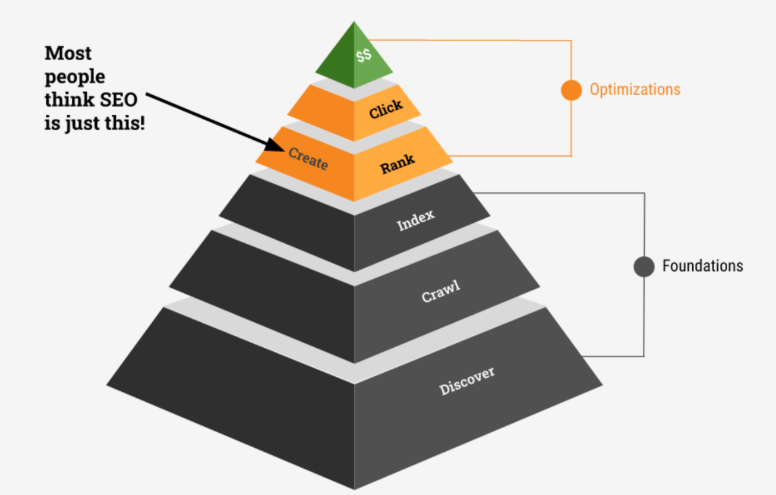
SEO works through a three-stage process that determines whether your website appears in search results: crawling, indexing, and ranking. Understanding this process helps businesses optimize their sites strategically instead of guessing what Google wants.
1. Crawling
Crawling is the discovery phase. Search engines use automated programs called bots (or spiders) to scan the internet and find web pages. These bots follow links from one page to another, identifying new and updated content.
If your website has broken links, poor structure, or blocked pages, search engines may not discover all your content. That’s why technical optimization and internal linking are critical- they help search engines access your most important pages efficiently.
Without proper crawling, your website cannot move to the next stage: indexing.
2. Indexing
Once a page is discovered, Google analyzes and stores it in its database- this process is called indexing. During indexing, search engines evaluate:
- Content quality
- Keyword relevance
- Page structure
- Metadata
- Internal linking
- Technical performance
If Google determines that a page lacks value, is a duplicate, or doesn’t meet quality standards, it may choose not to index it.
For businesses, this means every page must provide clear, unique, and valuable information to be included in search results.
3. Ranking
Ranking happens when a user performs a search. Google’s algorithms evaluate indexed pages and determine which results are most relevant and trustworthy for that specific query.
Ranking factors include:
- Relevance to search intent
- Content quality and depth
- Backlink authority
- Page speed and mobile usability
- User experience signals
Pages that demonstrate expertise, authority, and strong technical foundations are more likely to appear higher in search results.
The 4 Pillars of SEO
SEO is built on four core pillars. Businesses that strengthen all four create a sustainable search presence.
Technical SEO
Technical SEO ensures that search engines can properly crawl, index, and understand your website. It focuses on backend structure rather than visible content.
Key elements include:
- Site speed optimization
- Mobile responsiveness
- Secure HTTPS connection
- XML sitemaps
- Clean URL structure
- Structured data markup
- Fixing crawl errors
Without strong technical foundations, even great content may fail to rank. For businesses, technical SEO prevents lost traffic due to hidden issues that impact visibility.
On-Page SEO
On-page SEO refers to optimizing the content and structure of individual web pages to match user search intent.
This includes:
- Strategic keyword placement
- Optimized title tags and meta descriptions
- Header hierarchy (H1, H2, H3)
- Internal linking
- Image optimization
- Clear, user-focused content
On-page SEO helps search engines understand what a page is about while ensuring visitors can easily consume the information. For businesses, strong on-page SEO improves both rankings and conversions.
Off-Page SEO
Off-page SEO focuses on building authority and credibility outside your website. The most important factor is backlinks- links from other reputable websites pointing to your pages.
Search engines treat high-quality backlinks as votes of confidence. The more authoritative the referring site, the stronger the signal.
Off-page SEO strategies include:
- Earning editorial backlinks
- Digital PR
- Guest content contributions
- Industry citations
Businesses with stronger backlink profiles generally rank higher because they demonstrate trust and authority within their industry.
Content & User Experience
Content and user experience are increasingly central to SEO success. Search engines evaluate whether users find your content helpful, relevant, and easy to navigate.
This includes:
- Clear structure
- Comprehensive answers
- Engaging formatting
- Fast loading times
- Mobile-friendly design
For businesses, high-quality content not only improves rankings but also increases engagement, conversions, and brand trust.
The 4 Types of SEO
While SEO has four pillars, it’s also commonly categorized into four types based on strategic focus.
On-Page SEO
Optimizing individual pages for keywords, content clarity, internal linking, and metadata to improve relevance in search results.
Off-Page SEO
Building authority through backlinks, digital PR, and brand mentions to strengthen domain credibility.
Technical SEO
Improving website infrastructure to ensure search engines can crawl, index, and rank pages efficiently.
Local SEO
Optimizing visibility for geographically targeted searches, including Google Business Profile optimization, local citations, and location-based keywords.
SEO Optimization Examples
Understanding theory is helpful- but practical examples show how SEO drives real impact.
Example 1: Optimizing a Service Page
A digital marketing agency targeting “SEO services in Montreal” improves:
- Title tag with primary keyword
- Clear H1 structure
- Internal links to related services
- Strong call-to-action
- Location-specific content
This increases relevance for local searches and improves conversion rates.
Example 2: Improving Technical Speed
A business reduces page load time from 5 seconds to under 2 seconds by:
- Compressing images
- Enabling caching
- Optimizing hosting
Faster websites improve user experience and search rankings, particularly on mobile devices.
Example 3: Building Backlinks
A company earns backlinks by publishing a data-driven industry report. Industry blogs reference the report, increasing domain authority and improving rankings for competitive keywords.
Example 4: Local SEO for Canadian Businesses
A service-based company optimizes its Google Business Profile, adds location pages, and builds local citations. As a result, it ranks higher for “near me” searches and captures regional demand.
SEO vs PPC – What’s the Difference?
Both SEO and PPC drive traffic, but they operate in different ways.
| Feature | SEO | PPC |
| Traffic Source | Organic search results | Paid advertisements |
| Cost Structure | No cost per click | Pay per click |
| Timeline | Long-term growth | Immediate visibility |
| Sustainability | Compounding over time | Stops when the budget stops |
| Credibility | Higher trust | Clearly labelled ads |
For businesses, SEO builds long-term authority, while PPC delivers short-term visibility. The most effective strategies often combine both.
Can You Do SEO Yourself?
Yes, beginners can implement basic SEO practices such as keyword research, optimizing page titles, and improving content quality. However, advanced SEO requires technical knowledge, strategic planning, backlink acquisition, and continuous optimization. For competitive industries, professional expertise often accelerates results and prevents costly mistakes.
Is SEO Free or Paid?
SEO is considered organic because you don’t pay search engines for clicks. However, effective SEO requires investment in strategy, content creation, technical optimization, and tools. While the traffic itself is unpaid, building and maintaining rankings involves time, expertise, and ongoing effort.
The 80/20 Rule in SEO
The 80/20 rule in SEO suggests that 80% of results often come from 20% of focused actions.
High-impact activities include:
- Targeting high-intent keywords
- Ensuring strong technical health
- Publishing high-quality, comprehensive content
- Building authoritative backlinks
Businesses that prioritize these core actions typically see greater and more sustainable ranking improvements.
Common SEO Mistakes to Avoid
Avoiding common mistakes is as important as implementing best practices.
- Keyword stuffing instead of natural optimization
- Ignoring technical issues that block crawling
- Publishing thin or low-value content
- Creating duplicate pages
- Failing to build internal links
- Ignoring user search intent
These mistakes can limit visibility and, in some cases, lead to de-indexing.
How Businesses Build a Winning SEO Strategy?
To achieve consistent growth, businesses need a structured approach rather than isolated tactics.
The OptiWeb SEO Growth Framework
1. Technical Foundation
Ensure the website is fast, secure, mobile-friendly, and free of crawl errors.
2. Intent Mapping
Identify high-intent keywords aligned with business goals and map them strategically to pages.
3. Authority Building
Develop backlinks and brand signals that increase domain trust and competitiveness.
4. Conversion Optimization
Turn traffic into leads through strong calls-to-action, optimized landing pages, and user-focused design.
This framework transforms SEO from a ranking exercise into a scalable business growth strategy.
5 Proven Advanced Strategies to Boost Your SEO
When it comes to SEO, developing a clear strategy and applying advanced techniques can help your business stand out from competitors and attract more relevant organic traffic. Below are five advanced SEO strategies that go beyond the basics, incorporating data-driven approaches and practical optimization techniques.
1. Leverage the Power of Topic Clusters and Pillar Pages
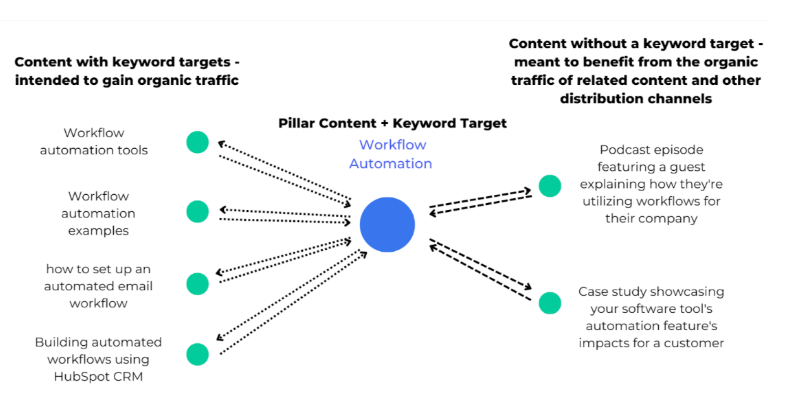
Rather than focusing on individual keywords, build topic clusters around core themes to enhance your website’s authority.
Google emphasizes content that demonstrates experience, expertise, authoritativeness, and trustworthiness (E-E-A-T), particularly when evaluating content quality and credibility. Topic clusters help organize your content around a central “pillar” page, linking related blog posts or articles as “cluster” content. HubSpot reports that websites with pillar pages experience a 20% increase in organic traffic due to more comprehensive and organized content. This method improves internal linking and boosts your site’s relevance on specific topics.
2. Optimize for Featured Snippets
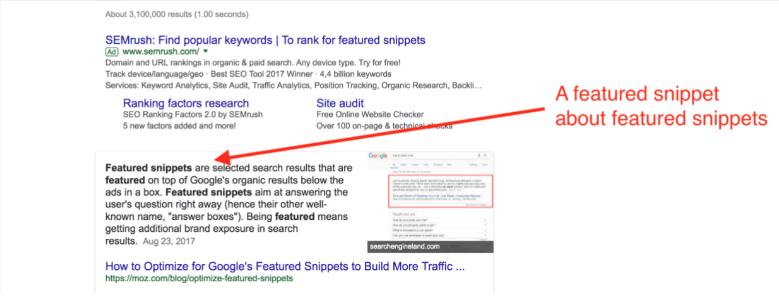
Featured Snippets provide immediate visibility at the top of search results, improving click-through rates (CTR). To optimize for snippets, aim to provide concise, well-organized answers to common questions in your niche. Use descriptive headings, concise answers, lists, tables, and clearly structured content where appropriate to make key information easier for search engines and users to understand.
3. Content Gap Analysis with Competitor Keyword Research
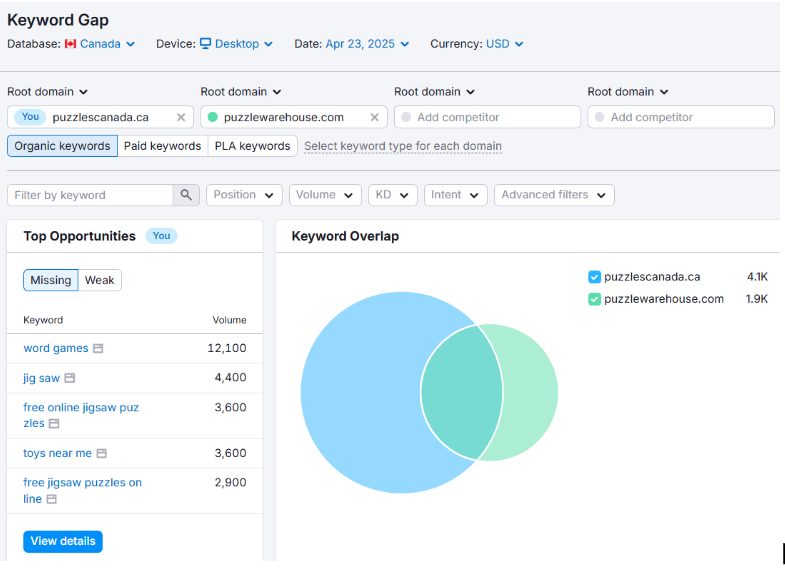
Ahrefs found that websites that focus on filling content gaps can see up to a 55% increase in organic search traffic within six months. Instead of focusing solely on your content, analyze what your competitors are ranking for and identify content gaps. Tools like SEMrush and Ahrefs provide insights into keywords your competitors are targeting, but you are missing. Filling these gaps with high-quality, in-depth content can significantly improve rankings.
4. Voice Search Optimization
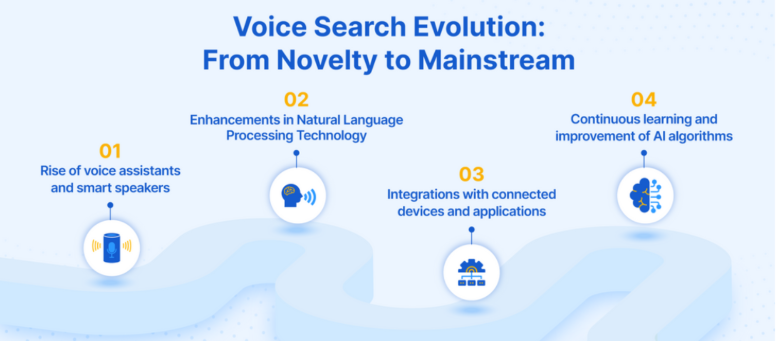
Voice search queries are growing rapidly, with an estimated 50% of all searches expected to be voice-based by 2026. Optimize your content for natural language and long-tail keywords that mirror how people speak. Using structured data to enhance your content’s visibility in voice search results is also crucial.
5. Focus on User Engagement Metrics (Dwell Time, Bounce Rate)
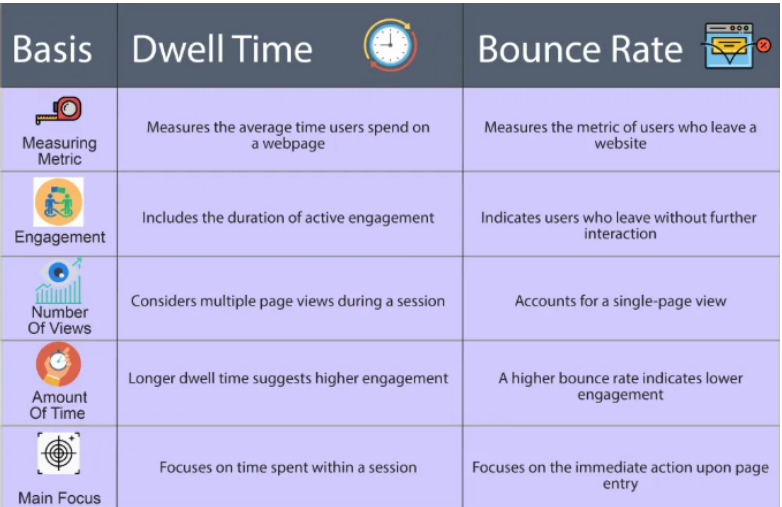
Google uses user engagement metrics such as dwell time and bounce rate as indirect ranking signals. According to a study by Search Engine Journal, content that encourages deeper engagement and interaction reduces bounce rate by 10-15%. By improving the quality of your content and user experience, you can reduce bounce rates and increase dwell time. Implementing interactive content, such as quizzes, polls, and engaging multimedia, can keep visitors on your page longer.
Key Takeaways
- SEO improves visibility in organic search results
- It works through crawling, indexing, and ranking
- It includes technical, on-page, off-page, and local optimization
- It supports long-term business growth
- Consistency and authority drive results
Conclusion: Understanding SEO as a Long-Term Growth Strategy
SEO optimization is more than just improving rankings; it’s about making your website accessible, relevant, and trustworthy in the eyes of both search engines and users. By understanding how crawling, indexing, and ranking work, and by strengthening the four pillars of SEO, technical, on-page, off-page, and content experience, businesses can build sustainable organic visibility.
Unlike short-term marketing tactics, SEO compounds over time. As authority grows and content improves, websites begin ranking for more keywords, attracting qualified traffic, and generating consistent leads without paying for every click.
Whether you’re just learning what SEO optimization is or refining an existing strategy, the key is consistency, user-focused content, and strong technical foundations. When implemented strategically, SEO becomes a long-term digital asset that supports brand credibility, customer acquisition, and measurable business growth.
Also Read: Top AI SEO Tools in 2025 You Must Know
 Table of Contents